Loading...
Community Stack Labs
Research that turns into things people use.
Labs is where we work on the harder problems: digital exclusion, SEND and communication access. We gather the evidence, campaign on it, and then build the tools ourselves, free for the people who need them.
- National campaigns
- 3
- National campaigns
- Tools built from them
- 3
- Tools built from them
- For the people who need them
- £0
- For the people who need them
- Source code and findings
- Open
- Source code and findings
From #CommunicationForAllEarly release
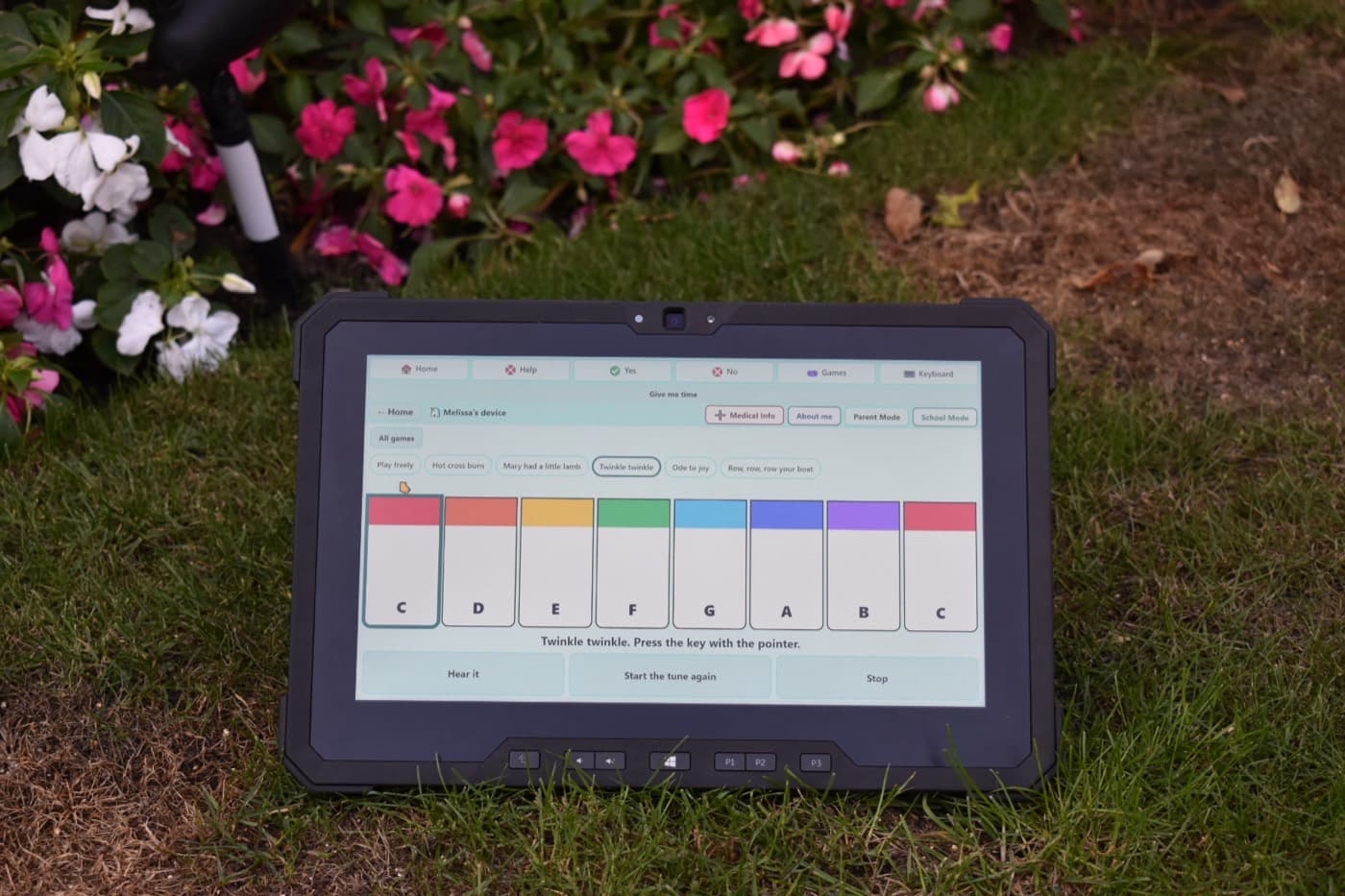
Rugged Speech. An AAC app built to be dropped.
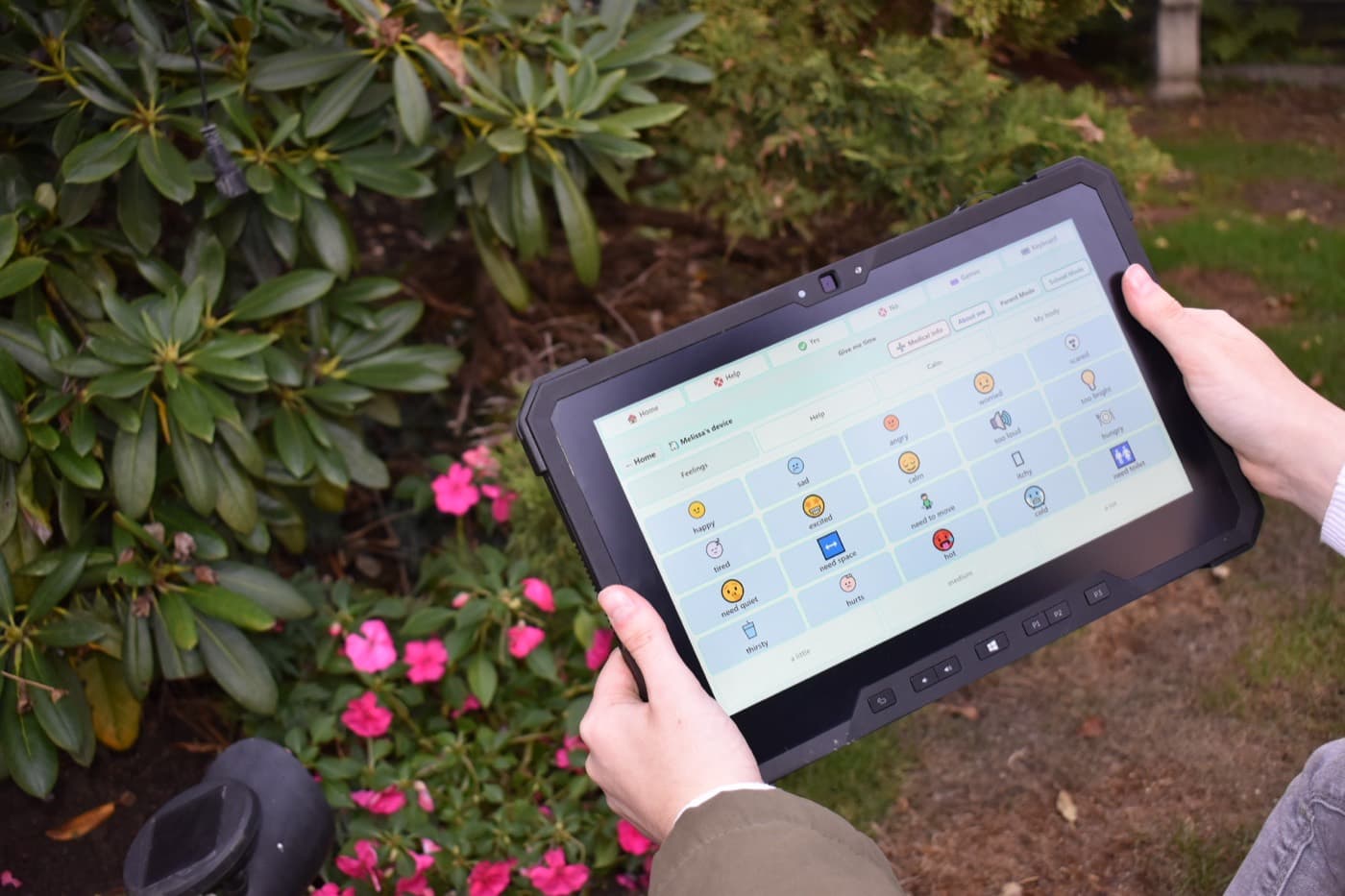
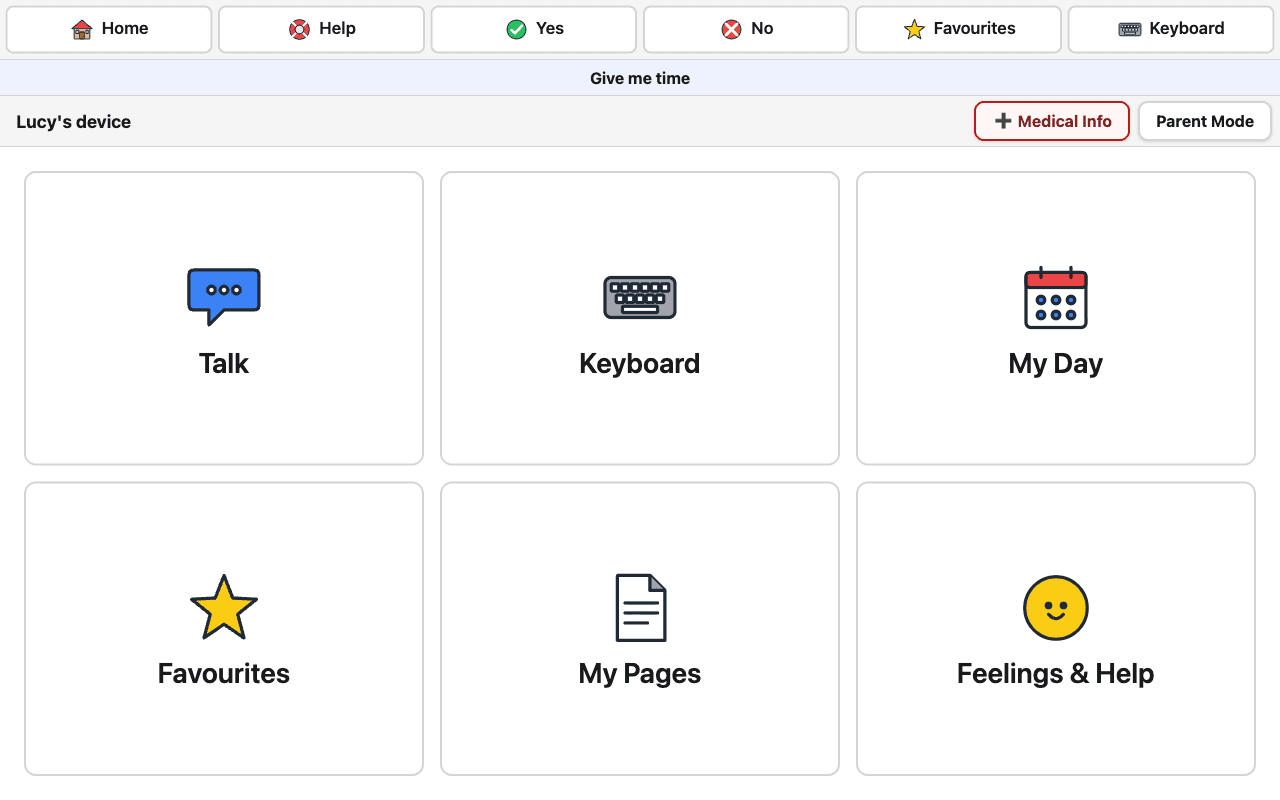
A free communication app for children and young people who find speaking hard: autistic children, children with speech, language and communication needs, and children who stammer. Big picture buttons that speak, on a tough tablet that can go to school, to the park and to bed.
Our founder had speech difficulties as a child. Rugged Speech is the tool that would have helped: one that works anywhere, belongs to the family, and never asks for an account.
- Free, with no account
- Works with no wifi, ever
- Nothing about the child leaves the device
- Windows and Mac, on rugged tablets
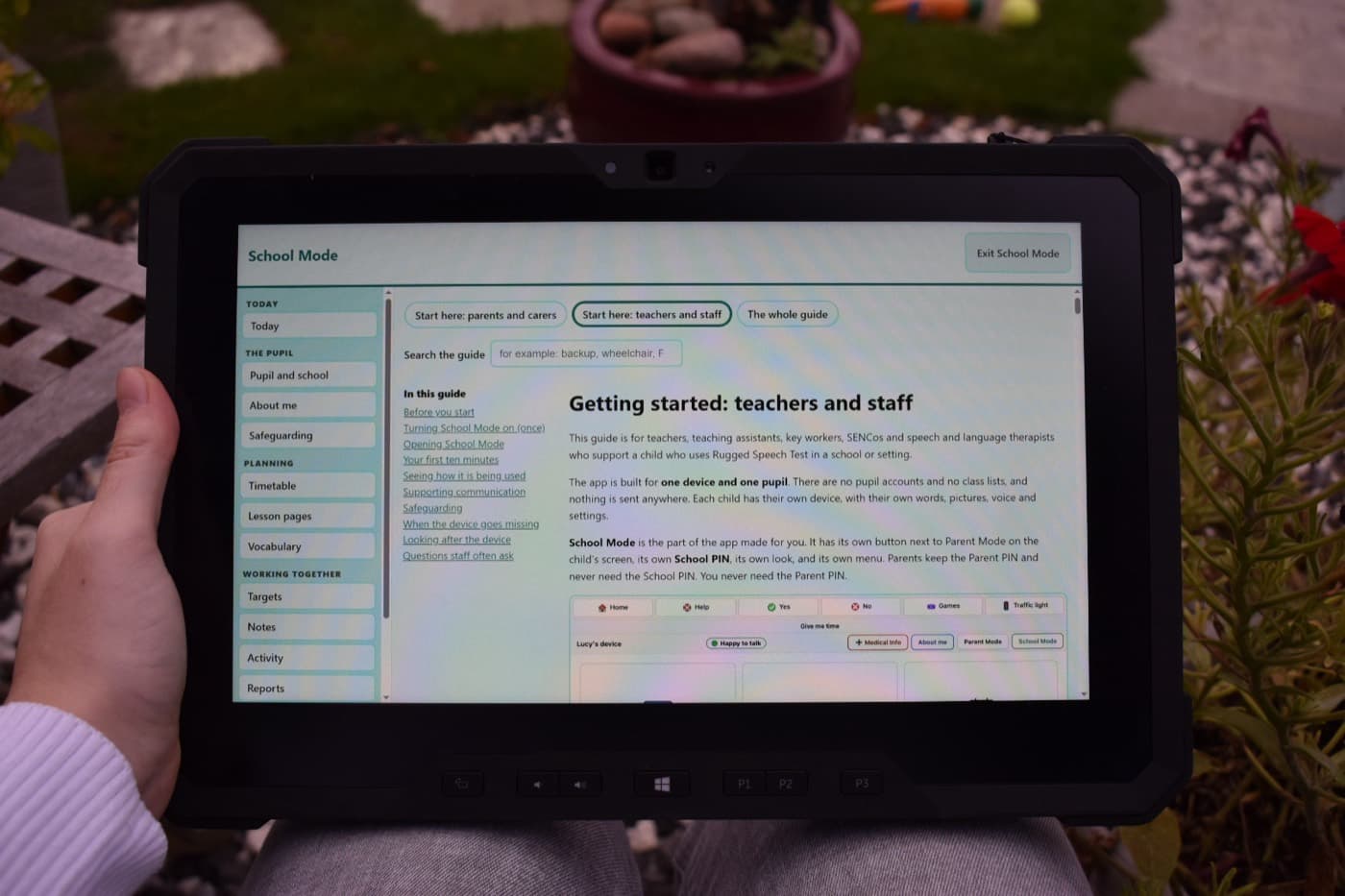
- School Mode for staff, behind its own PIN
- Open source (MIT)
Five things that will never change
Works without wifi
On a coach trip, in a field or a hospital waiting room.
Information stays put
Photos, medical details and what a child says stay on the tablet.
Buttons never move
Once a word is learnt, it's in the same place tomorrow, and next year.
A simple screen
Big buttons for the child. Settings live behind a PIN.
It never talks over a child
It only speaks when someone presses.
Built from Labs
Every campaign should leave something behind.
Campaigns change minds. Tools change days. Each campaign aims to produce something people can use, not just a report.

Campaigns
Three campaigns, one underlying problem.
Public and civic systems weren't designed with the most excluded people in mind. Each campaign takes on one part of that.
- 01#NoCommunityLeftOfflineEnsuring rural, isolated, and digitally excluded communities can access support regardless of connectivityBuilt so far: Community Switchboard
- 02#DigitalSENDInfrastructureJoined-up digital infrastructure for SEND families navigating fragmented systemsBuilt so far: SEND platform
- 03#CommunicationForAllUniversal access to communication tools and support for non-speaking and AAC-dependent individualsBuilt so far: Rugged Speech
Also in progress
In development
Offline Participation Toolkit
A practical resource for organisers running activities for people with limited or no internet access: formats, facilitation guides and case studies.
Research
Rural Digital Infrastructure Report
An evidence base on the compounding disadvantages rural communities face in reaching digital services, to inform policy and investment.
Ongoing
Third-sector discoverability
Why charities and civic groups are hard to find. The first answer became Switchboard; the research continues through it.
Research
The questions we're working on.
The most important work usually starts with a conversation with someone living with the problem.
- 01Digital exclusion and accessWho is not online, why, and what the realistic barriers are — beyond the standard narrative of affordability and device availability.
- 02SEND infrastructure gapsHow the systems that should support children and families with special educational needs and disabilities actually work in practice, and where they fail.
- 03Offline community resilienceWhat communities that operate without reliable digital infrastructure actually need, and how digital tools can support without excluding.
- 04Third sector discoverabilityWhy charities and civic groups are so hard to find, and what better infrastructure for connecting people to support would look like.
- 05Communication accessThe infrastructure gap for non-speaking and AAC-dependent individuals — tools, training, attitudes, and system design.
- 06Rural and isolated communitiesThe specific compounding disadvantages faced by communities in rural areas, and how digital and civic infrastructure intersects with geography.
- 07Civic participation and digital toolsWhether digital tools genuinely increase civic participation or primarily benefit those already engaged — and what the evidence says.
How we work
Evidence first. Then pilots. Then change.
Our communities and Engine work pay their own way, and that funds Labs: the problems the market consistently ignores.
01
Identify the gap through community engagement and evidence gathering
02
Define the specific problem and desired outcome with affected communities
03
Select a pilot cohort — typically two to four communities or organisations
04
Deploy the intervention, tool, or framework change in a controlled way
05
Measure outcomes against a defined baseline with transparent methodology
06
Publish what we learned and move what worked into policy advocacy or product
Principles
Start with the people most excluded
We do not design for the average user. We design for the person with the most barriers, because if the infrastructure works for them, it works for everyone.
Campaigns grounded in evidence
The advocacy work is built on research. We do not campaign on assumptions — we gather evidence first, then act on it.
Open findings
Research outputs, policy papers, and frameworks are published openly. The point is to change things, not to own insight.
Community-led, not community-consulted
The people affected by the problems we work on are involved in defining them — not brought in to validate conclusions that were already drawn.
Long-term commitment
Civic infrastructure problems do not get solved in a quarter. The campaigns here are sustained efforts, not initiatives with an end date.
Work with Labs
Partner with us on a specific, defined problem.
If your work overlaps with ours, or you represent people affected by the issues we campaign on, we want to hear from you.
- Community organisations
- Local authorities
- Charities and the third sector
- SEND advocacy groups
- Policy and research institutions
- The AAC and communication sector
See where the campaigns stand.
What we've built, the evidence behind it, and how you can help.